Upside Down Triangle Symbol Meaning on Your Dashboard
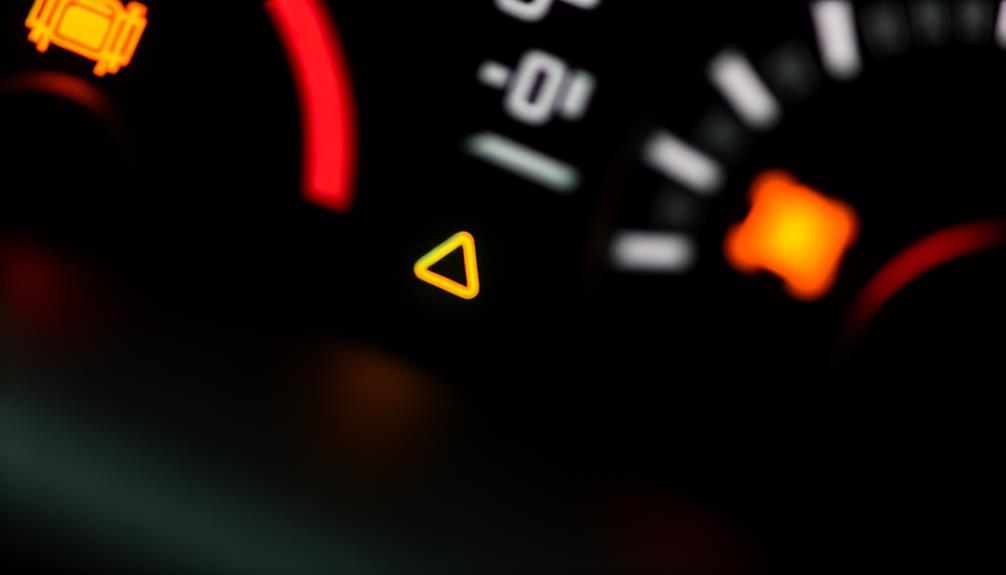
The upside-down triangle symbol on your dashboard is a critical warning indicator often associated with system faults requiring prompt attention. The color of this symbol provides insight into the severity: red signifies immediate danger, while yellow or amber indicates caution.
Common causes include issues with the Tire Pressure Monitoring System (TPMS), low fluid levels, or electrical malfunctions. Immediate action should involve consulting your vehicle's manual and seeking professional help if necessary.
Understanding this symbol's implications and appropriate steps can guarantee vehicle safety and efficiency. For more in-depth insight on handling these alerts, continue exploring related details.
Key Takeaways
- The upside-down triangle icon indicates a critical warning requiring immediate action.
- The symbol's color (yellow/amber) signifies a general warning that needs caution.
- Refer to the vehicle manual for specific details about the warning.
- Immediate professional help is advised if the symbol persists.
- Common causes include fluid levels, tire pressure, or electrical system issues.
Common Dashboard Symbols
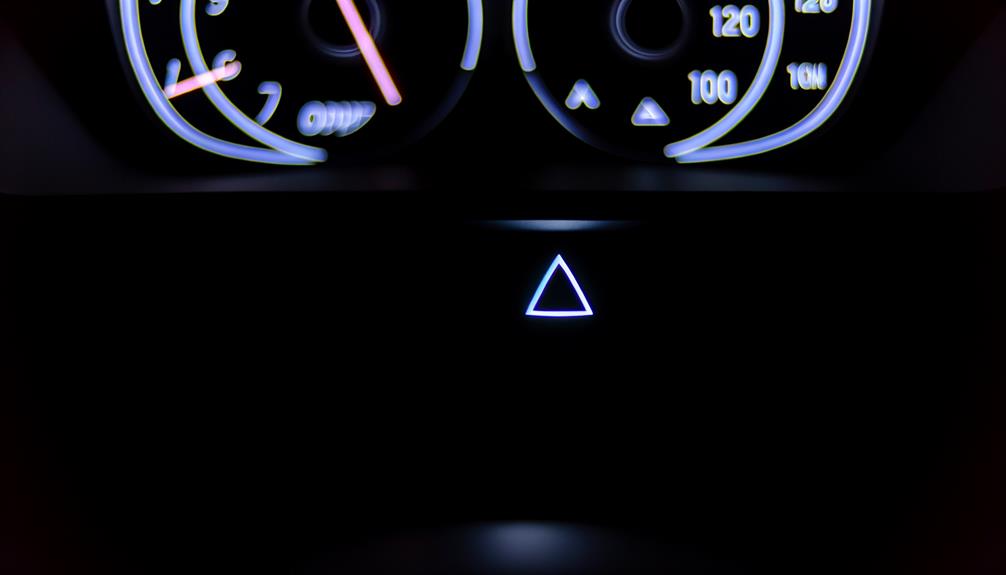
Common dashboard symbols, such as the check engine light and oil pressure warning, are essential indicators of a vehicle's operating status and potential issues.
The check engine light, typically represented by an engine icon, signals anomalies in the engine's management system, ranging from minor sensor malfunctions to severe engine conditions.
The oil pressure warning light, often depicted as an oil can, indicates low oil pressure, which could lead to engine damage if not addressed promptly.
Other critical symbols include the battery charge warning, coolant temperature warning, and brake system alert.
These symbols utilize intuitive iconography to communicate specific issues, allowing drivers to take timely corrective actions. Understanding these symbols promotes vehicle longevity and operational safety.
Identifying the Triangle Icon
The upside-down triangle icon on the dashboard is a critical warning symbol, often accompanied by exclamation marks or other indicators. Understanding its color, typically yellow or red, is essential as it signifies the severity of the issue.
Immediate action, such as consulting the vehicle's manual or seeking professional assistance, should be taken to address the underlying problem promptly.
Common Dashboard Symbols
Dashboard symbols serve as critical indicators for various system statuses and warnings, with the upside-down triangle icon often representing a general warning or alert. Understanding these symbols can prevent minor issues from escalating into significant problems, ensuring vehicle safety and performance.
Here are some common dashboard symbols:
- Check Engine Light: Indicates issues with the engine or emissions system.
- Battery Warning Light: Signals a problem with the vehicle's charging system.
- Oil Pressure Warning: Alerts to low oil pressure, which can damage the engine.
- Brake System Warning: Denotes issues with the braking system, including low brake fluid.
- Tire Pressure Monitoring System (TPMS): Warns of low tire pressure, affecting vehicle handling and safety.
Recognizing these symbols enhances diagnostic capabilities and fosters prompt maintenance.
Warning Light Colors
Understanding the different colors of warning lights, including the upside-down triangle icon, is crucial for interpreting the urgency and nature of vehicle alerts. Typically, dashboard warning lights are color-coded: red, yellow/amber, and green/blue.
A red upside-down triangle icon signifies a critical issue requiring immediate attention, such as brake system failure. Yellow or amber indicates a cautionary warning, signaling potential issues like low fuel or tire pressure that need prompt but not immediate action. Green or blue lights generally indicate system status or active functions, such as cruise control or high beams.
The upside-down triangle, often accompanied by an exclamation mark, usually appears in yellow/amber, denoting general warnings necessitating timely diagnostics. Understanding these colors ensures proper and timely responses.
Action Steps Required
Identifying the upside-down triangle icon necessitates referring to the vehicle's owner manual, which offers detailed information on its meaning and corresponding action steps. The triangle icon typically signals a general warning or caution that requires immediate attention.
To accurately pinpoint the problem, follow these steps:
- Refer to Owner Manual: Locate and review the section outlining dashboard symbols.
- Look for Associated Messages: Check for text or additional icons shown alongside the triangle.
- Examine Vehicle Systems: Confirm the status of vital systems like brakes, engine, and transmission.
- Conduct Diagnostic Scan: Utilize an OBD-II scanner to retrieve fault codes and pinpoint specific issues.
- Consult Professional Help: If unsure, seek guidance from a certified mechanic for a comprehensive inspection and repair.
This method guarantees precise identification and suitable corrective measures.
Potential Causes

A malfunctioning tire pressure monitoring system is one potential cause of the upside-down triangle symbol appearing on the dashboard. This symbol can also be triggered by various other issues within the vehicle's system. Below is a detailed table outlining common causes:
| Potential Cause | Description |
|---|---|
| Tire Pressure Monitoring System Fault | Sensor or system malfunction affecting readings. |
| Low Fluid Levels | Insufficient coolant, oil, or brake fluid levels. |
| Traction Control System Error | Issues with the vehicle's stability control. |
| Electrical System Malfunction | Battery or wiring problems. |
| Scheduled Maintenance Due | Reminder for routine service checks. |
Understanding these potential causes is essential for accurate diagnosis and appropriate rectification of the issue, ensuring vehicle safety and reliability.
Immediate Actions
Upon noticing the upside-down triangle symbol on the dashboard, the driver should immediately consult the vehicle's owner manual to determine the specific nature of the alert. This symbol often signifies a critical warning that requires immediate attention to prevent further issues.
Key immediate actions include:
- Check Fluid Levels: Verify engine oil, coolant, and brake fluid levels are within recommended ranges.
- Inspect Tire Pressure: Confirm all tires are adequately inflated as per manufacturer specifications.
- Examine Battery Health: Ensure the battery is functioning correctly and terminals are clean and secure.
- Review Engine Status: Look for any unusual noises or performance issues.
- Assess Electrical Systems: Confirm all lights, signals, and dashboard indicators are operational.
Prompt action lessens potential risks and maintains vehicle safety and reliability.
Long-Term Solutions
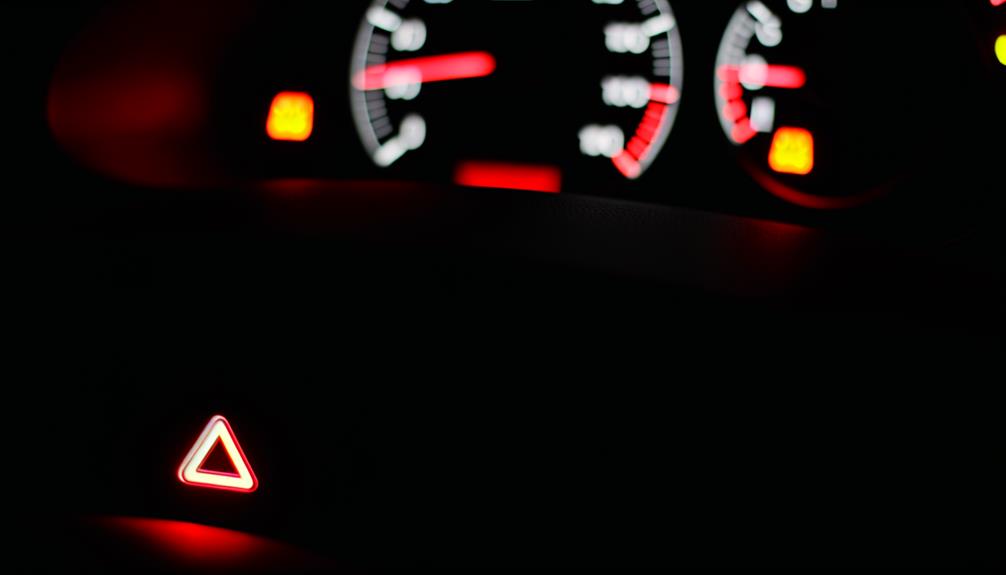
Implementing long-term solutions requires a methodical approach to diagnose and address the underlying causes of the upside-down triangle symbol on the dashboard. This involves in-depth diagnostics, software updates, and component replacements to sustain functionality. Regular vehicle diagnostics can proactively identify and rectify potential issues.
| Task | Description | Frequency |
|---|---|---|
| Diagnostics Scan | Thorough system check | Bi-annually |
| Software Updates | Latest firmware for system stability | As released by OEM |
| Component Replacement | Swap out defective parts | As needed |
| Professional Service | Expert inspection and maintenance | Annually |
Long-term solutions not only mitigate the current issue but also enhance vehicle reliability, ensuring safe and efficient operation. Utilizing OEM recommendations and adhering to a strict maintenance schedule are crucial for optimal vehicle performance.
Preventive Measures
To mitigate issues indicated by the upside-down triangle symbol on the dashboard, implementing preventive measures is vital.
Regular maintenance checks, timely fluid top-ups, and consistent sensor function monitoring are essential practices to guarantee peak vehicle performance.
Adhering to these protocols can preemptively address potential malfunctions and prolong the lifespan of vital automotive systems.
Regular Maintenance Checks
Regular maintenance checks are essential for prolonging the lifespan and optimizing the performance of your vehicle. By following a systematic maintenance schedule, you can proactively address potential issues and sustain peak functionality.
Key areas for regular inspection include:
- Brake System: Inspect pads, rotors, and fluid levels to maintain effective braking.
- Tire Condition: Monitor tread depth, alignment, and pressure for secure driving.
- Battery Health: Check for corrosion and confirm charge status to prevent unexpected failures.
- Engine and Transmission: Inspect for leaks, unusual noises, and ensure proper operation.
- Lighting and Electrical Systems: Verify all lights and electrical components are operating correctly.
Adhering to these checks helps in reducing breakdown risks and improving vehicle reliability, ensuring a secure driving experience.
Timely Fluid Top-Ups
Maintaining timely fluid refills is vital for sustaining peak vehicle performance and preventing mechanical failures. Engine oil, coolant, brake fluid, transmission fluid, and power steering fluid levels must be regularly checked and replenished. Low fluid levels can cause overheating, inadequate lubrication, and compromised braking efficiency, leading to significant damage.
Using manufacturer-recommended fluids ensures compatibility and best performance. Regularly scheduled servicing includes fluid top-ups, providing an opportunity for technicians to inspect for leaks or contamination. Adhering to the specified maintenance intervals outlined in the vehicle's manual is essential.
Preventive measures, such as timely fluid top-ups, not only extend the lifespan of the vehicle but also enhance safety and reliability, thereby averting costly repairs and ensuring operational integrity.
Sensor Function Monitoring
Monitoring the functionality of vehicle sensors is crucial for timely detection of potential issues and maintaining peak performance. Modern vehicles rely on an array of sensors to monitor everything from engine temperature to tire pressure. This proactive approach guarantees early identification of anomalies, thereby preventing costly repairs and enhancing safety on the road.
- Engine Control Module (ECM) diagnostics: Regular scans to detect issues.
- Oxygen sensor checks: Guaranteeing ideal fuel-air mixture.
- Tire Pressure Monitoring System (TPMS): Maintaining correct tire pressure.
- Mass Air Flow (MAF) sensor monitoring: Ensuring proper air intake.
- Coolant temperature sensor checks: Preventing overheating.
Proper sensor function monitoring is essential for maintaining vehicle efficiency, reducing the likelihood of breakdowns, and ensuring compliance with emission standards.
When to Seek Help

Promptly seek professional help if the inverted triangle symbol persists or is accompanied by other warning indicators. This symbol often indicates critical system alerts, such as issues with the traction control system, vehicle stability control, or electronic throttle control. Ignoring these warnings can lead to compromised vehicle performance or safety risks.
Additionally, if you experience abnormal driving behavior, such as loss of power, stalling, or unusual noises, consult a certified technician immediately. Diagnostic tools and expert analysis are crucial in identifying and addressing underlying causes. Relying on timely intervention ensures peak vehicle function and safeguards against potential mechanical failures.
Do not attempt to reset or overlook dashboard warnings without professional evaluation.
Conclusion
To conclude, comprehending the upside-down triangle symbol on a vehicle's dashboard is crucial for maintaining peak automotive performance. Like a sentinel guarding against potential mechanical failures, this icon alerts to various issues that necessitating immediate attention. Promptly addressing these warnings can prevent extensive damage and guarantee long-term vehicular reliability.
Utilizing regular maintenance and seeking professional assistance when needed are essential strategies for sustaining a vehicle's operational integrity and securing driver safety.